
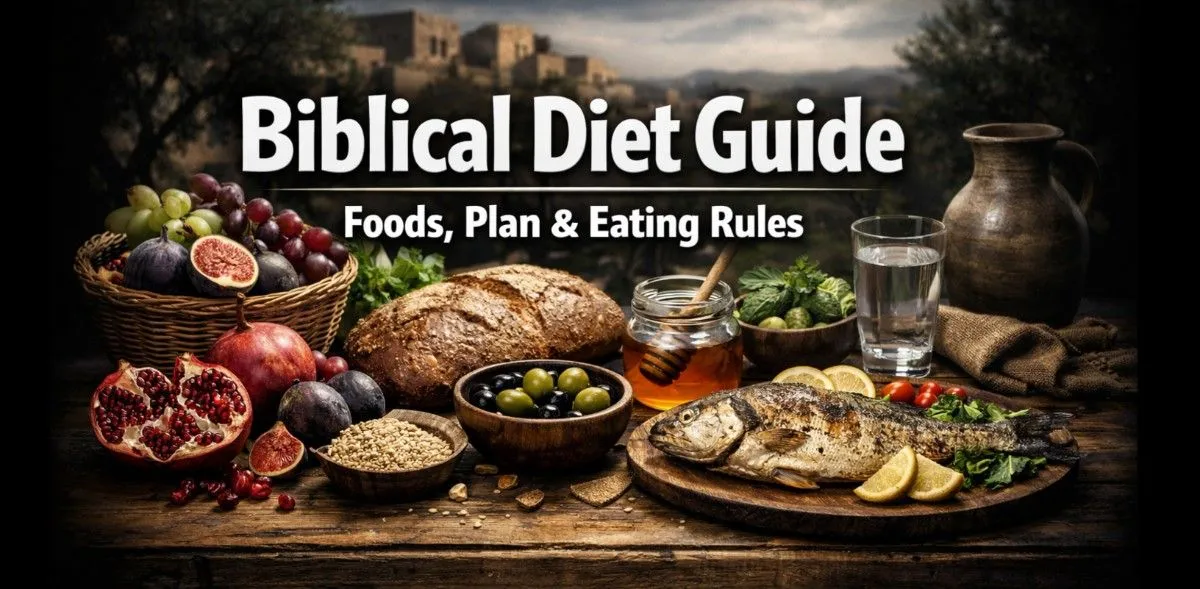
In a world full of confusing diet trends and processed foods, many people are searching for something more natural and meaningful. What is the biblical diet, and can it really guide a healthier way of living today? The Bible does not present a modern diet plan, but it reveals clear principles about food, discipline, and honoring God with our bodies.
This guide will give you a clear, practical understanding of biblical eating what people ate in Scripture, which foods were considered clean or unclean, and how you can apply these principles in your daily life. Whether your goal is better health, spiritual growth, or a simpler lifestyle, the biblical approach offers a balanced and purposeful way to eat.
What Is the Biblical Diet in Simple Terms?
Core Meaning of Biblical Eating
The biblical diet is not a modern diet plan or a strict set of rules. It is a way of eating based on the foods and principles found in Scripture, reflecting how God originally designed humans to live and be nourished.
At its core, the biblical diet focuses on simplicity and intention rather than restriction. It encourages choosing foods that are natural, nourishing, and aligned with God’s creation.
Key characteristics include:
- Whole, natural foods rather than processed items
- Minimal human alteration or artificial ingredients
- A balance of plant-based foods and clean animal sources
- A mindset of gratitude and self-control
Unlike modern diet trends that constantly change, this approach is stable and rooted in timeless principles. It shifts the focus from temporary results to long-term well-being.
In practical terms, the biblical diet is less about following a strict list and more about returning to a natural pattern of eating that supports both physical health and spiritual awareness.
God’s Original Food Design in Genesis
The First Diet Given to Humanity
To clearly understand what the biblical diet is, it’s important to begin at the very foundation God’s original instruction in Genesis. The first dietary pattern given to humans was simple, natural, and directly connected to creation.
According to Scripture, God provided:
- Seed-bearing plants
- Fruits from trees
- Natural vegetation
This reveals that the earliest human diet was entirely based on whole, plant-based foods. There were no processed meals, artificial ingredients, or complex food systems only what was naturally created and provided.
This original pattern is often referred to as the Genesis diet. It reflects a lifestyle built on purity, simplicity, and complete dependence on God’s provision. Food was not complicated; it was intentional and sufficient.
From an applied perspective, this foundation still holds value today. It points back to a way of eating that prioritizes natural sources of nutrition and avoids unnecessary processing something that modern diets often lack.
Understanding this starting point helps explain why the biblical diet consistently emphasizes whole foods and a simple approach to nourishment.
“understanding the biblical meaning behind the Serenity Prayer and trusting God in daily life”
Biblical Diet Food List: What People Ate in Scripture
Plant Foods in the Bible
Plant-based foods formed the foundation of daily eating in biblical times. These foods were simple, accessible, and naturally nourishing, providing essential nutrients without processing.
Common plant foods mentioned in Scripture include:
- Fruits: figs, grapes, dates, pomegranates
- Grains: wheat and barley, often used to make bread
- Vegetables and legumes: lentils, onions, cucumbers
- Nuts and seeds: almonds and other natural sources
These foods were typically eaten in their whole form, without additives or refinement. This reflects a diet rich in fiber, natural energy, and balanced nutrition.
From a practical standpoint, this reinforces a key principle of the biblical diet: prioritize foods that come directly from the earth in their natural state.
Animal-Based Foods in Biblical Times
While the earliest diet in Genesis was plant-based, later biblical accounts show that animal foods were also included under specific guidelines.
Common examples include:
- Fish: widely consumed and easily available
- Lamb and goat: used in both daily meals and special occasions
- Dairy products: milk, butter, and cheese
However, not all animals were considered acceptable. The Bible introduced clear distinctions between clean and unclean animals, which influenced how people approached meat consumption.
This shows that animal foods were part of the diet, but they were consumed with awareness and boundaries rather than excess.
This combination of plant-based foods and carefully selected animal sources created a balanced and sustainable way of eating. It highlights a pattern centered on natural nourishment rather than abundance or indulgence.
Biblical Diet Food List: What People Ate in Scripture
Plant Foods in the Bible
Plant-based foods formed the foundation of daily eating in biblical times. These foods were simple, accessible, and naturally nourishing, providing essential nutrients without processing.
Common plant foods mentioned in Scripture include:
- Fruits: figs, grapes, dates, pomegranates
- Grains: wheat and barley, often used to make bread
- Vegetables and legumes: lentils, onions, cucumbers
- Nuts and seeds: almonds and other natural sources
These foods were typically eaten in their whole form, without additives or refinement. This reflects a diet rich in fiber, natural energy, and balanced nutrition.
From a practical standpoint, this reinforces a key principle of the biblical diet: prioritize foods that come directly from the earth in their natural state.
Animal-Based Foods in Biblical Times
While the earliest diet in Genesis was plant-based, later biblical accounts show that animal foods were also included under specific guidelines.
Common examples include:
- Fish: widely consumed and easily available
- Lamb and goat: used in both daily meals and special occasions
- Dairy products: milk, butter, and cheese
However, not all animals were considered acceptable. The Bible introduced clear distinctions between clean and unclean animals, which influenced how people approached meat consumption.
This shows that animal foods were part of the diet, but they were consumed with awareness and boundaries rather than excess.
This combination of plant-based foods and carefully selected animal sources created a balanced and sustainable way of eating. It highlights a pattern centered on natural nourishment rather than abundance or indulgence.
This system of clean and unclean foods reinforces the idea that eating in the Bible was guided by structure, discipline, and purpose not just appetite.
The Daniel Fast as a Real-Life Example of Biblical Eating
What Daniel Chose to Eat
One of the clearest and most practical examples of biblical eating is found in the life of Daniel. While living in a foreign culture, Daniel made a deliberate choice to avoid the rich and royal foods offered to him.
Instead, he chose a much simpler and disciplined diet:
- Vegetables (plant-based foods)
- Water as his primary drink
This decision was not about health trends or personal preference. It was a conscious choice to remain faithful and avoid anything that could compromise his beliefs. Daniel prioritized obedience over comfort.
After a period of following this simple diet, Daniel and his companions appeared healthier and stronger than those who ate the king’s food. This outcome highlights the power of intentional and disciplined eating.
Spiritual Lessons from Daniel’s Diet
Daniel’s approach to food reveals that eating in the Bible was not just physical it was deeply spiritual.
Key lessons include:
- Discipline over desire: choosing what is right over what is appealing
- Faithfulness in small decisions: even daily habits reflect spiritual commitment
- Separation from unhealthy patterns: avoiding cultural pressure when necessary
- Trust in simplicity: believing that basic provision is enough
This example shows that the biblical diet is more than a list of foods. It is a mindset that connects daily choices with spiritual purpose.
Today, many people follow what is known as the “Daniel fast,” using it as a period of reset both physically and spiritually. It remains one of the most practical ways to apply biblical eating principles in modern life.
Creating a Simple Biblical Diet Plan for Daily Life
Structuring Meals the Biblical Way
Applying the biblical diet to daily life does not require complicated rules or strict systems. The goal is to build meals that reflect simplicity, balance, and natural nourishment.
A practical biblical meal structure looks like this:
- Base your meals on plant foods: fruits, vegetables, whole grains
- Add clean protein sources: fish, legumes, or clean meats
- Use natural fats: such as olive oil instead of processed oils
- Keep foods close to their natural form: avoid heavy processing and artificial ingredients
This approach focuses on quality rather than quantity. Instead of counting calories or following rigid plans, it encourages choosing foods that are simple, whole, and sustaining.
Over time, this method supports both physical health and a more disciplined approach to eating.
Sample Daily Eating Routine
To make this more practical, here is a simple example of how a day might look when following a biblical-style diet:
- Breakfast: fresh fruits, whole grain bread, and a handful of nuts
- Lunch: vegetables, grains (such as rice or barley), and light protein
- Dinner: simple cooked vegetables with fish or legumes
- Snacks: natural options like dates, figs, or almonds
For drinks, the focus remains on:
- Water as the primary choice
- Natural beverages with minimal or no added sugar
This type of routine is simple, affordable, and easy to follow. It reflects how people ate in biblical times naturally, moderately, and without unnecessary complexity.
This section shows that the biblical diet is not difficult to follow. With small, consistent choices, it can become a practical and sustainable lifestyle
How to Follow the Biblical Diet Today
Practical Steps to Get Started
Shifting to a biblical way of eating does not require a sudden or extreme change. The most effective approach is gradual and intentional, focusing on small improvements that build over time.
Start with these practical steps:
- Replace processed foods first: choose fruits, nuts, and whole foods instead of packaged snacks
- Simplify your meals: avoid overly complex recipes with artificial ingredients
- Read labels carefully: limit foods with preservatives, additives, and refined sugars
- Cook more at home: this gives you full control over ingredients and preparation
The goal is not perfection, but direction moving steadily toward a more natural and balanced way of eating.
These steps make the transition realistic and sustainable. Instead of following strict rules, you build habits that align with biblical principles in a practical way.
Can the Biblical Diet Support Healthy Weight Management?
How Whole Foods Help Maintain a Healthy Weight
Many people wonder whether the biblical diet can help with weight loss. While the Bible does not focus on dieting for appearance, its principles naturally support healthy weight management.
Here’s how:
- Whole foods are more filling: fruits, vegetables, and grains help you feel satisfied longer
- High fiber improves digestion: this reduces overeating and supports gut health
- Lower sugar intake: fewer processed foods mean fewer empty calories
- Simple meals encourage portion control: reducing the risk of overeating
Instead of relying on strict restrictions, the biblical approach restores balance. When you consistently eat clean, natural foods, your body begins to regulate hunger and energy more effectively.
This shows that weight control is not the main goal, but it often becomes a natural result of following a balanced and disciplined way of eating.
Spiritual Principles of Biblical Eating
The Body as God’s Temple
A key foundation of the biblical diet is the understanding that the body is not just physical it carries spiritual responsibility. The Bible teaches that the body should be treated with care, respect, and discipline.
This perspective changes how we approach food:
- Intentional choices: avoiding harmful or excessive eating
- Self-discipline: not being controlled by cravings
- Respect for the body: treating it as something valuable, not disposable
When you begin to see your body as something entrusted to you, your daily habits naturally shift. Eating becomes less about impulse and more about purpose.
Gratitude and Mindful Eating
Another important principle is the attitude behind eating. In the Bible, food is consistently seen as a blessing, not something to take for granted.
This mindset includes:
- Giving thanks before meals
- Eating with awareness instead of distraction
- Avoiding overindulgence
- Recognizing God as the provider
Practicing gratitude brings a sense of balance and control. It slows down the eating process and creates a deeper connection between physical nourishment and spiritual awareness.
Together, these principles show that the biblical diet is not just about food it is about aligning daily habits with discipline, purpose, and gratitude.
Common Myths About the Biblical Diet
Is the Biblical Diet Only Plant-Based?
A common misconception is that the biblical diet is strictly vegetarian or vegan. This idea often comes from the Genesis account, where the earliest diet was plant-based.
However, Scripture shows a broader picture.
- Plant foods form the foundation of biblical eating
- Clean animal foods such as fish, lamb, and goat were also included later
- The focus is on balance, not strict exclusion
This means the biblical diet is not limited to one extreme. It allows both plant and animal foods within clear and thoughtful boundaries.
Is the Biblical Diet a Strict Rule for Christians Today?
Another myth is that everyone must strictly follow Old Testament dietary laws to live biblically. In reality, the biblical diet is better understood as a set of guiding principles rather than rigid rules.
Key points to understand:
- Some dietary laws were specific to a particular time and group of people
- The core principles discipline, moderation, and intentional eating remain relevant
- The goal is to honor God through choices, not to follow rules mechanically
This perspective makes the biblical diet practical and adaptable. It allows individuals to apply its principles in a way that fits their daily life while staying true to its purpose.
Conclusion: Living the Biblical Way of Eating
The biblical diet is not a trend or a strict rulebook it is a simple and balanced approach to living. By focusing on natural foods, practicing moderation, and maintaining a spirit of gratitude, it aligns both physical health and spiritual purpose.
This guide has shown how biblical eating begins with God’s original design, develops through structured principles, and can be applied in everyday life today. It does not require perfection or drastic change. Instead, it encourages small, consistent steps toward a healthier and more intentional lifestyle.
In the end, the biblical diet is about more than food. It is about honoring God through daily choices and building a life rooted in discipline, simplicity, and purpose.

Juganta Kumbhar is a Christian pastor, blogger, and content creator who serves in ministry and a local church. He holds a postgraduate degree and has spent significant time writing and publishing Christian and Bible-related content across multiple websites. He also volunteers in social work, believing a life poured out for others is never wasted. He created ChristianPrayerLife to share the life of Christ honestly and warmly the way one friend talks to another hoping every reader who visits feels a little less alone and a little closer to God.
1 thought on “What Is the Biblical Diet? Foods, Meaning, and How to Follow It Today”