
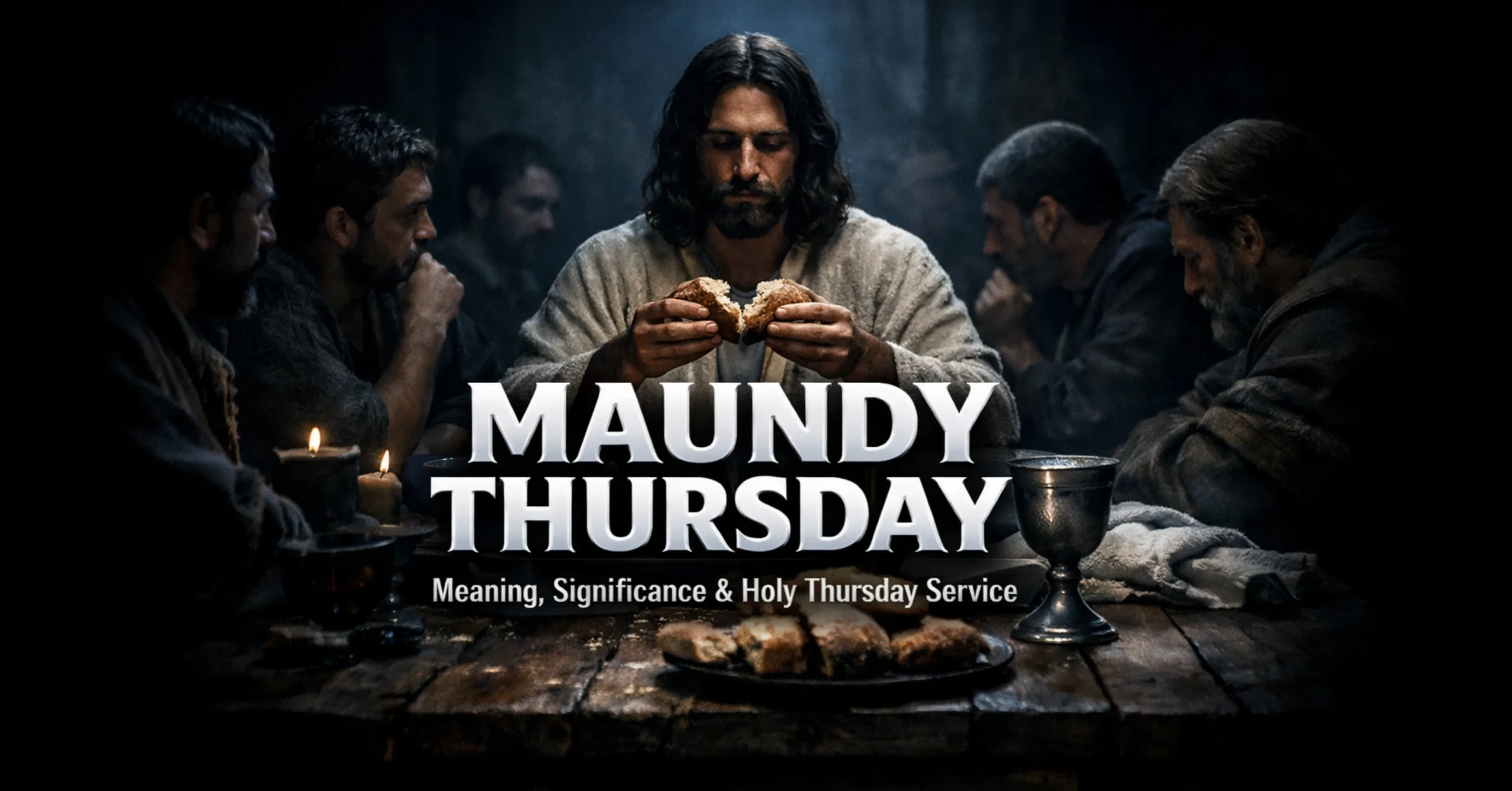
Every year, Christians around the world observe Maundy Thursday, yet many are unsure about its true meaning and significance. What is Maundy Thursday, and why is it an essential part of Holy Week? This special day commemorates Jesus Christ’s Last Supper with his disciples and the profound commandment of love he shared. From sacred rituals like the washing of feet to the celebration of Holy Communion, Maundy Thursday reminds believers of humility, service, and devotion.
In this article, we will explore the meaning, historical context, and spiritual lessons of Maundy Thursday, along with how the day is observed in churches worldwide. Understanding it deeply can enrich your Holy Week experience.
Meaning of Maundy Thursday
Origin of the Term “Maundy”
The word “Maundy” comes from the Latin mandatum, meaning “commandment.” It refers to the new commandment Jesus gave during the Last Supper: “Love one another as I have loved you.” This highlights the core of Maundy Thursday a day dedicated to humility, service, and obedience to Christ’s teachings. The term emphasizes that true devotion is expressed through love and action, not merely words.
Why it is Also Called Holy Thursday
Maundy Thursday is often referred to as Holy Thursday, especially in Catholic and Anglican traditions. This name underscores the sacredness of the day, commemorating Jesus’ final meal with his disciples before his crucifixion. By observing Holy Thursday, Christians reflect on Jesus’ sacrifice and the spiritual preparation for Good Friday and Easter.
Place in Holy Week
Falling after Palm Sunday and before Good Friday, Maundy Thursday holds a critical position in Holy Week. It bridges celebration and solemn reflection marking both the joyous Last Supper and the anticipation of Jesus’ suffering. Its timing emphasizes the transition from public ministry to personal sacrifice, inviting believers to meditate on faith, service, and obedience.
Significance of Maundy Thursday
Commemorating the Last Supper
Maundy Thursday is primarily a commemoration of Jesus’ Last Supper with his disciples. During this meal, he shared bread and wine, symbolizing his body and blood, establishing the foundation for Holy Communion. This act reminds Christians of fellowship, gratitude, and remembrance of Christ’s sacrifice.
Jesus’ New Commandment of Love
At the Last Supper, Jesus gave a profound teaching: “Love one another as I have loved you.” This commandment emphasizes humility, selfless service, and compassion. Observing Maundy Thursday inspires believers to live out this love in daily life, through acts of kindness, forgiveness, and community service.
Spiritual Lessons for Christians
Maundy Thursday encourages reflection on spiritual virtues such as humility, obedience, and devotion. By understanding its significance, believers can deepen their faith, prepare for Good Friday, and internalize the lessons of service and love. This day is not only historical but also a practical guide for moral and spiritual growth.
How Maundy Thursday is Observed
Church Services and Rituals
On Maundy Thursday, churches hold special services to commemorate the Last Supper. These services typically include scripture readings, prayers, and hymns reflecting Jesus’ teachings and sacrifice. Worshippers are invited to reflect on humility, devotion, and the transition from Palm Sunday to Good Friday.
Washing of the Feet Ritual
Many Christian denominations observe the foot-washing ceremony, replicating Jesus’ act of humility and service to his disciples. This ritual symbolizes servant leadership and encourages believers to practice compassion and humility in everyday life.
Holy Communion/Eucharist
The celebration of Holy Communion or Eucharist is central to Maundy Thursday. Through the symbolic sharing of bread and wine, participants remember Christ’s body and blood, reinforcing faith, gratitude, and spiritual unity among the congregation.
Global Variations of Maundy Thursday Service
While the core rituals remain consistent, Maundy Thursday is observed differently worldwide. For example:
- In Catholic churches, it includes Mass of the Lord’s Supper with altar stripping.
- Anglican and Protestant churches may emphasize foot washing and Holy Communion.
- Orthodox churches have extended evening services with readings and prayers.
FAQs:
What is Maundy Thursday and why is it celebrated?
Maundy Thursday commemorates Jesus’ Last Supper and his commandment to love one another. It marks the start of the solemn Holy Week observances.
What does Maundy Thursday mean in Christian tradition?
It symbolizes humility, service, and devotion, reflecting Jesus’ teachings and preparing believers for Good Friday.
How is Maundy Thursday service conducted?
Services include scripture readings, prayers, Holy Communion, and the foot-washing ritual, varying slightly across denominations.
Why is it called Holy Thursday?
“Holy Thursday” emphasizes the sacredness of the day and is synonymous with Maundy Thursday in Christian tradition.
Conclusion
Understanding what is Maundy Thursday helps Christians deeply appreciate the meaning, significance, and observances of this sacred day. From the Last Supper to the foot-washing ritual and Holy Communion, Maundy Thursday Holy Thursday services offer believers a chance to reflect on humility, love, and service in their daily lives. Observing Maundy Thursday service strengthens faith while connecting each individual to the broader Holy Week and global Christian traditions.
By recognizing holy Thursday Maundy Thursday teachings, readers can participate more meaningfully in church services or apply these spiritual lessons personally, enriching their Holy Week experience.
1 thought on “What is Maundy Thursday? Meaning, Significance & Holy Thursday Service”